Why 3D printing is the perfect medicine to healthcare’s ailments

The medical industry has long been a champion of innovation and new technologies. These advancements have a direct impact on all areas of healthcare, from diagnosis to treatment through to recovery. It’s therefore not the biggest surprise 3D printing has been embraced so warmly by the medical sector, with the technology bringing a range of benefits to patients. As 3D printing continues to evolve, so does its role within the healthcare industry.
So, just what benefits does 3D print bring to the sector?
Customisation
The introduction of 3D printing has gone some way to ending the one-size-fits-all mindset of yesteryear in terms of prosthetics. People requiring prosthesis are now able to get completely customised structures suited to their individual requirements. This has been highlighted by the introduction of 3D printed prosthetics used in recent Paralympics.
Shorter time scales
With rapid prototyping now faster and more accurate than it has ever been, it’s now possible to produce multiple prototypes in extremely quick times. 3D printing reduces product development times, giving designers more freedom to explore new variations and methods. In terms of prosthetics, while it once took weeks or months using traditional methods, which then had to be sent back and altered, now takes a fraction of that time, which are lighter and more flexible.
Accurate models
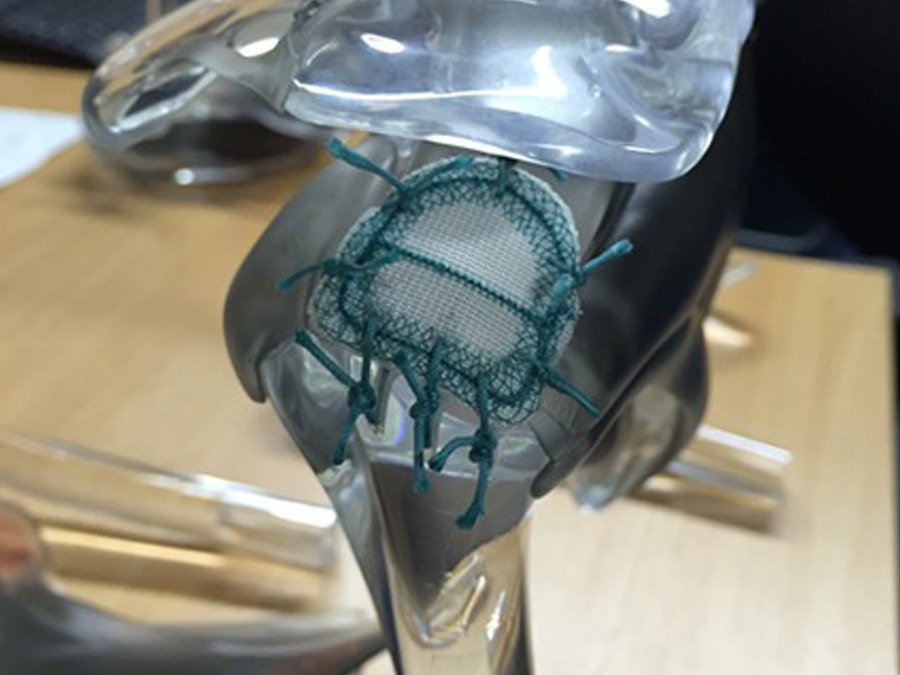
Being able to replicate the shape, texture and functionality of an organ or joint through 3D printing gives doctors and surgeons the ability to gain a better understanding of a situation before making a final decision. We’ve worked with a number of medical device companies over the years, including Xiros; a company that take new technologies and products to the healthcare market. Xiros turned to us to create a 3D printed shoulder joint model to be exhibited at some of the industry’s leading trade shows.
Cost
In an industry where market research and testing are so crucial, 3D printing allows medical manufacturers a low-cost way of accessing multiple test parts that would cost significantly more using traditional methods. Costs are also reduced when it comes to low volume manufacturing. Due to the nature of the healthcare and medical market, products are often only required in low volumes. Learn more about our work within the healthcare sector.
Want to talk?
For more information about this article or to speak to one of our expert team, call us
on +44 (0) 1462 682 661 or email us at [email protected].